Introduction: The Dual Soul of Japan
Planning a journey to East Asia often presents travellers with a classic dilemma: do you seek the quiet contemplation of ancient shrines, or do you crave the neon-lit pulse of ultra-modern metropolises? For Indian travellers looking to expand their horizons beyond the familiar, Japan offers a rare resolution to this question. It is a country where you can step off a high-speed bullet train into a station humming with robotic assistance, only to walk ten minutes into a serene, moss-covered temple garden where time appears to have stopped centuries ago. This seamless coexistence of the ancient and the futuristic is not merely a marketing slogan; it is woven into the daily rhythm of Japanese life.
For first-time visitors from India, however, this dichotomy can also make planning feel overwhelming. Navigating efficient transit systems, understanding subtle cultural etiquettes, and balancing high-tech urban exploration with historical sightseeing require thoughtful preparation. Without a clear strategy, it is easy to spend too much time transiting between sights or missing out on the quieter, profound moments that define the Japanese cultural landscape. This guide is designed to help you decode Japan's dual personality, offering practical insights to structure your journey so that you can experience both its timeless traditions and its vibrant modern innovations with confidence.
By the end of this article, you will understand how to map out a balanced route, what cultural nuances to keep in mind, how to approach local logistics, and how to blend the iconic urban centers with regional escapes. Whether you are travelling with family, as a couple, or on an independent discovery, this overview will give you the foundational knowledge needed to turn your Japanese aspirations into a well-organized, enriching reality.
Understanding Japan's Urban Giants: Tokyo and Osaka
No discussion of modern Japan is complete without examining its sprawling urban capitals, primarily Tokyo and Osaka. Tokyo is a city of distinct neighborhoods, each possessing its own independent character. Districts like Shibuya and Shinjuku showcase the high-energy, neon-drenched modernity that captures global imagination, featuring massive pedestrian scrambles, towering digital billboards, and endless shopping complexes. Yet, nestled right beside these commercial hubs are peaceful neighborhoods featuring quiet residential alleys, local shrines, and neighborhood bakeries that maintain a remarkably small-town feel despite the surrounding mega-city.
Moving south to Osaka, the atmosphere shifts from polite restraint to vibrant, outgoing warmth. Known historically as the nation's kitchen, Osaka places a strong emphasis on casual street food culture, spirited local interactions, and a more relaxed pace of urban life. While Tokyo represents structured ambition and cutting-edge design, Osaka offers a playful, grounded counterpoint. Exploring both cities gives Indian travellers an appreciation for how modern Japanese society balances organized efficiency with a genuine enjoyment of daily pleasures.
The Timeless Heart: Kyoto, Nara, and Historical Towns
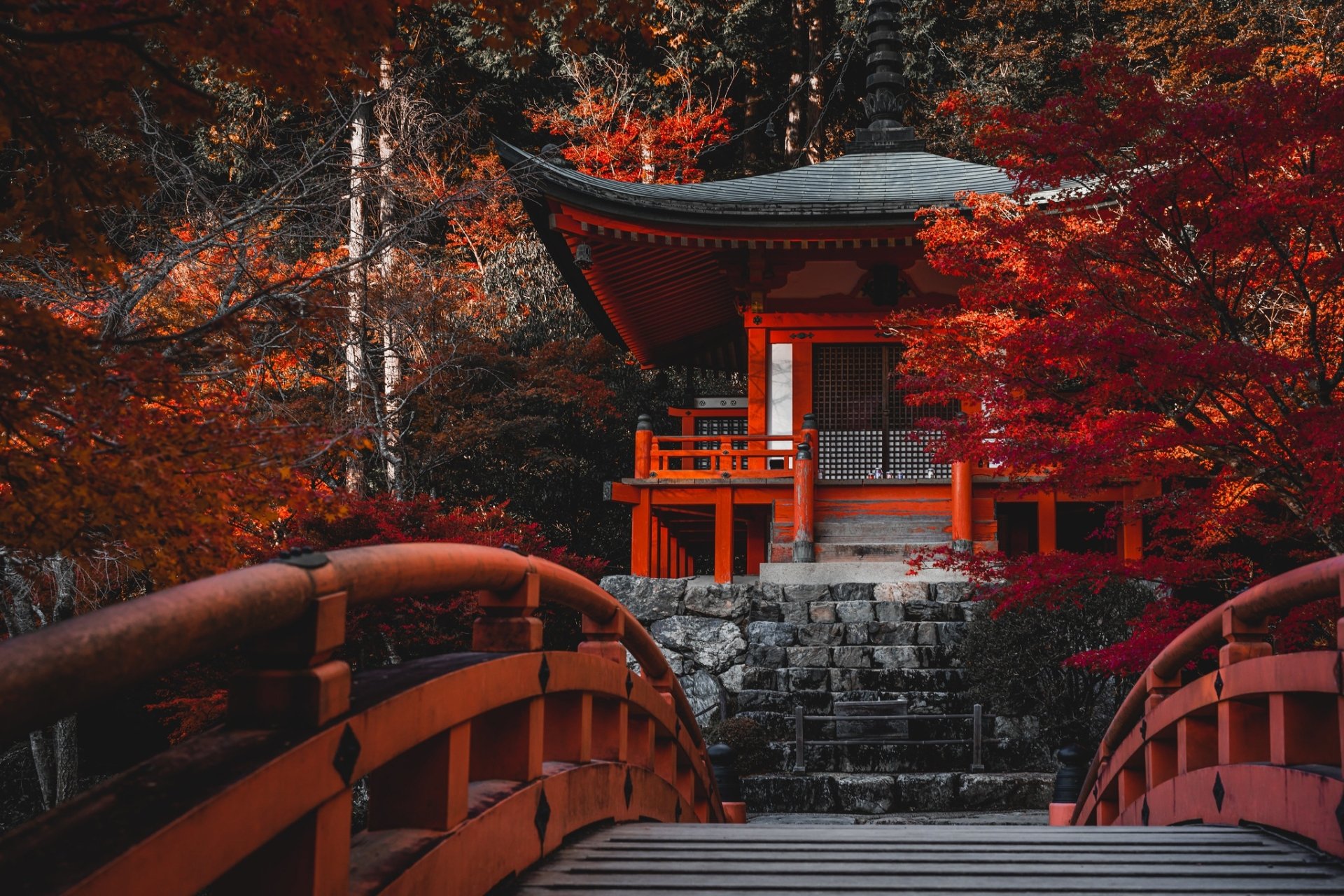
To truly understand the traditional side of Japan, travellers must venture beyond the major commercial hubs into regions that have preserved their architectural and cultural heritage. Kyoto, the former imperial capital, serves as the spiritual heartland of the country. With thousands of classical Buddhist temples, Shinto shrines, and traditional wooden machiya townhouses, Kyoto invites visitors to slow down. Walking through the bamboo groves of Arashiyama or observing the preserved historical districts like Gion offers a window into feudal aesthetics and spiritual architecture.
Just a short journey away lies Nara, home to monumental bronze Buddha statues and expansive public parks where sacred deer roam freely among ancient structures. Further afield, smaller post towns along historical trade routes, such as those in the mountainous interior, preserve thatched-roof farmhouses and cobblestone pathways. Incorporating these historical destinations into your itinerary ensures that your trip is not merely a tour of modern infrastructure, but a meaningful engagement with centuries of artistic and spiritual craftsmanship.
Navigating Daily Logistics and Transit Infrastructure
One of the most remarkable aspects of travelling through Japan is the sheer reliability and efficiency of its public transportation network. The Shinkansen, or bullet train system, connects major islands and cities with clockwork precision, reaching speeds that make cross-country travel remarkably fast. For visitors, understanding how to navigate train stations, purchase tickets, and utilize IC transit cards transforms what could be a stressful logistical challenge into a straightforward, predictable daily routine.
Beyond rail travel, local urban transit relies on an intricate web of subway lines and city buses that accept contactless payment cards. Signage in major stations is increasingly bilingual, featuring English alongside Japanese characters, which greatly assists international travellers. However, because stations can be vast subterranean complexes with multiple exits, checking your route maps and destination exit numbers in advance is a practical habit that saves considerable time and minimizes confusion.
Comparing Travel Styles: Independent Exploration vs. Guided Groups
Deciding how to structure your movement through Japan depends heavily on your travel style, comfort with foreign transit, and the composition of your travelling party. Independent travel offers total flexibility, allowing you to linger in a museum or alter your daily schedule on a whim. However, it requires you to manage every logistical detail yourself, from luggage forwarding between hotels to decoding restaurant menus without English translations.
Conversely, joining an organized group tour removes the friction of daily planning, offering pre-arranged transport, curated sightseeing, and the constant support of an experienced tour leader. This approach is particularly beneficial for first-time visitors travelling with family members who prefer a predictable pace without the burden of navigation. The following comparison table outlines the primary trade-offs to help you determine which approach aligns best with your preferences.
| Feature | Independent Travel | Guided Group Tour |
|---|---|---|
| Flexibility | Complete freedom to change daily schedules on the spot | Fixed itinerary designed for optimized sightseeing |
Culinary Landscape: Diversity and Dietary Awareness
Japanese cuisine is globally celebrated for its emphasis on seasonal ingredients, artistic presentation, and delicate flavours. From freshly prepared sushi and savory ramen broths to tempura and traditional multi-course kaiseki meals, the culinary offerings are vast. For Indian travellers, exploring this food culture is an exciting adventure, though it does require some advance awareness, particularly for those with specific dietary preferences such as vegetarianism or strict religious dietary laws.
While traditional Japanese cooking frequently relies on fish broths, dashi, and soy-based seasonings, major cities now offer a growing array of international restaurants, vegetarian-friendly establishments, and clearly labeled menu options. Researching dining spots in advance, learning key dietary phrases, or traveling with a structured itinerary that accounts for meal requirements ensures that everyone can enjoy the culinary journey without unnecessary stress.
Respecting Cultural Etiquette and Local Norms
A smooth and rewarding travel experience in Japan rests heavily on mutual respect and an understanding of local social norms. Japanese society places a high value on public courtesy, cleanliness, and consideration for others. Simple practices—such as keeping your voice low on public trains, refraining from walking while eating street food, removing your shoes when entering traditional homes or accommodations, and placing cash or cards on trays at shop registers rather than handing them directly—demonstrate mindfulness that is warmly appreciated by locals.
Additionally, understanding tipping culture is straightforward: tipping is neither practiced nor expected in Japan, and attempting to leave extra money can sometimes cause confusion. Embracing these gentle cultural customs not only prevents awkward misunderstandings but also deepens your connection with the people you encounter, transforming you from a mere tourist into a thoughtful, respectful guest.
Conclusion: Synthesizing Your Japanese Journey
Japan is a destination that rewards curiosity, patience, and careful preparation. By embracing both its ultra-modern urban centers and its deeply rooted historical sanctuaries, Indian travellers can experience a travel landscape unlike any other in the world. The key to a successful journey lies in balancing structured transit and logistical planning with ample room for spontaneous discovery, ensuring you appreciate the quiet details as much as the grand spectacles.
If you are ready to move from dreaming about the alpine routes and neon streets to actively planning your departure, you do not have to navigate the details alone. To experience this harmonious blend of tradition and modernity seamlessly, consider exploring the Signature Japan - The Scenic Alpine Route package with Roundtrip, designed to handle the logistics so you can focus entirely on enjoying your adventure.
When you are ready to turn this plan into a real trip, explore the live option below as a practical next step.